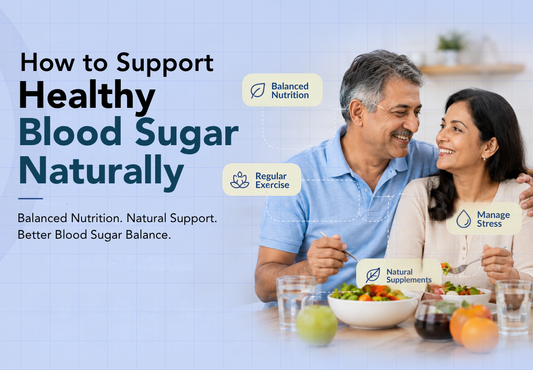








What happens to your blood sugar after meals? Is it normal for glucose to rise after eating? What should your post-meal blood sugar level be, and what can you do to support healthy blood sugar naturally?
These are important questions for people concerned about blood sugar management, diabetes, prediabetes, and metabolic health.
After you eat, carbohydrates are broken down into glucose, which enters the bloodstream. As a result, blood sugar naturally rises. The size and duration of this rise can vary depending on the meal, portion size, physical activity, stress, sleep, medications, and individual health factors.
For many nonpregnant adults with diabetes, commonly used targets are 80–130 mg/dL before meals and below 180 mg/dL 1–2 hours after the beginning of a meal. However, individual targets can differ, so your healthcare professional's recommendations should take priority.
In this guide, we'll explain blood sugar after eating, normal post-meal blood sugar levels, causes of blood sugar spikes, foods that affect glucose levels, natural ways to support healthy blood sugar, and Ayurvedic approaches to blood sugar wellness.
What Is Blood Sugar After Meals?
Postprandial blood sugar, also known as post-meal blood glucose, refers to the amount of glucose present in your bloodstream after eating.
When you consume foods containing carbohydrates, your digestive system breaks them down into glucose. This glucose enters your bloodstream and provides energy to your body.
Insulin helps move glucose from the bloodstream into cells where it can be used for energy. In people with diabetes, the body may not produce enough insulin or may not respond effectively to it, which can cause blood glucose to remain elevated for longer.
That's why monitoring blood sugar after meals can provide useful information about how your body responds to different foods, portions, physical activity, medications, and lifestyle habits.
What Is a Normal Blood Sugar Level After Eating?
There isn't one universal post-meal blood sugar number that applies to everyone.
For many nonpregnant adults with diabetes, commonly used targets include:
| Blood Sugar Timing | Common Target for Many Adults With Diabetes |
|---|---|
| Before a meal | 80–130 mg/dL |
| 1–2 hours after beginning a meal | Below 180 mg/dL |
These are general targets rather than personalized medical recommendations. Your target may be different depending on your age, health conditions, medications, risk of low blood sugar, and other factors.
If you don't have diabetes, a single home glucose reading should not be used to diagnose diabetes.
Why Does Blood Sugar Rise After Eating?
A rise in blood glucose after eating is a normal physiological response.
The amount your blood sugar increases depends on several factors, including:
- Amount of carbohydrates in the meal
- Type of carbohydrates
- Portion size
- Fiber content
- Protein and fat content
- Physical activity
- Stress
- Sleep
- Medications
- Insulin sensitivity
Carbohydrates generally have a greater immediate effect on blood glucose than protein or fat. The combination of foods in a meal can also affect how quickly glucose enters the bloodstream.
What Causes High Blood Sugar After Meals?
If your blood sugar is high after eating, several factors could contribute.
1. Large Portions of Carbohydrates
Large portions of rice, bread, pasta, sweets, desserts, potatoes, or other carbohydrate-rich foods may cause a larger glucose rise.
This doesn't necessarily mean carbohydrates need to be completely avoided. Portion size and overall meal composition are important.
2. Sugary Drinks
Soft drinks, sweetened beverages, packaged juices, and other drinks containing added sugar can increase blood glucose quickly.
Choosing water instead of sugary drinks can be a simple way to reduce added sugar intake.
3. Refined Carbohydrates
Foods made with refined grains may contain less fiber than whole-food carbohydrate sources.
Examples include:
- White bread
- Refined pasta
- Bakery products
- Packaged snacks
- Some breakfast cereals
Choosing higher-fiber foods more often can be part of a balanced approach to blood sugar management.
4. Lack of Physical Activity
Physical activity helps the body use glucose for energy and is an important part of diabetes management.
A sedentary lifestyle may make blood sugar management more difficult for some people.
5. Stress
Stress can affect blood glucose levels. Hormonal changes associated with stress may make blood sugar management more challenging.
6. Poor Sleep
Inadequate or irregular sleep can affect insulin sensitivity, appetite, energy, and overall metabolic health.
7. Illness or Other Health Factors
Being sick can also affect blood glucose. If you notice unusual or persistent changes, discuss them with your healthcare professional.
How to Control Blood Sugar After Meals Naturally
If you're searching for ways to control blood sugar naturally, focus on sustainable lifestyle habits rather than quick fixes.
1. Build a Balanced Plate
A balanced meal can make it easier to manage carbohydrate portions.
Try including:
- Non-starchy vegetables
- A source of protein
- An appropriate portion of carbohydrates
- Healthy fats where appropriate
A balanced plate can help provide fiber, protein, vitamins, minerals, and other nutrients while helping you manage overall carbohydrate intake.
2. Choose High-Fiber Foods
Fiber can slow digestion and the absorption of carbohydrates.
Good sources include:
- Vegetables
- Beans
- Lentils
- Whole grains
- Nuts
- Seeds
- Whole fruits
Instead of relying on fruit juice, whole fruit is generally a better choice for a fiber-rich diet.
3. Watch Your Portion Sizes
Even nutritious foods can contribute to a significant glucose rise when eaten in very large quantities.
Pay particular attention to portions of carbohydrate-rich foods such as:
- Rice
- Roti
- Bread
- Potatoes
- Pasta
- Cereals
- Desserts
Your ideal carbohydrate intake depends on your individual needs, so consider discussing your diet with a doctor or registered dietitian.
4. Take a Walk After Your Meal
A short walk after eating can be a practical way to add physical activity to your daily routine.
Regular physical activity can help the body use glucose for energy and support overall blood sugar management.
If you take insulin or medicines that can cause low blood sugar, discuss safe exercise practices with your healthcare professional.
5. Drink Enough Water
Staying hydrated is important for overall health.
Choose water instead of sugary beverages whenever possible.
6. Get Consistent Sleep
Sleep plays an important role in overall metabolic health.
Try to maintain a consistent sleep schedule and prioritize adequate rest.
7. Manage Stress
Stress management can also be part of a healthy blood sugar management plan.
Consider:
- Meditation
- Yoga
- Deep breathing
- Walking
- Exercise
- Relaxation techniques
Best Foods for Healthy Blood Sugar After Meals

There is no single "best food" for everyone with diabetes.
However, meals emphasizing minimally processed foods, non-starchy vegetables, appropriate portions of carbohydrates, protein, and fiber can support a balanced diet.
Vegetables
Consider:
- Spinach
- Broccoli
- Cauliflower
- Cucumber
- Green beans
- Capsicum
- Cabbage
Protein Sources
Depending on your dietary preferences:
- Eggs
- Fish
- Chicken
- Paneer
- Tofu
- Lentils
- Beans
High-Fiber Foods
Good options include:
- Whole grains
- Lentils
- Beans
- Nuts
- Seeds
- Whole fruits
- Vegetables
The goal is not to rely on one "superfood," but to create balanced meals and manage overall carbohydrate intake.
Foods That May Cause Blood Sugar Spikes
Some foods and drinks can cause blood glucose to rise more quickly, particularly when consumed in large portions.
Examples include:
- Sugary soft drinks
- Sweetened juices
- Sweets
- Cakes
- Cookies
- Candy
- Refined bread
- Large portions of white rice
- Highly processed snacks
This doesn't mean everyone needs to completely eliminate every carbohydrate-containing food. Portion control, food quality, meal composition, and individual glucose response are all important.
When Should You Check Blood Sugar After Eating?
The timing of a post-meal glucose test matters.
For many people with diabetes, a commonly used measurement is taken 1–2 hours after the beginning of the meal.
For many nonpregnant adults with diabetes, the commonly used target at this point is below 180 mg/dL.
Your healthcare professional may recommend a different testing schedule based on your individual treatment plan.
Keeping a record of your glucose readings alongside meals, activity, stress, and medication can help identify patterns.
Why Does Blood Sugar Spike After Some Meals but Not Others?
You may notice that your glucose response changes from one meal to another.
For example, a meal containing a large portion of refined carbohydrates may produce a different glucose response than a meal containing vegetables, protein, fiber, and a smaller carbohydrate portion.
Other factors can also influence your readings:
- Sleep
- Stress
- Physical activity
- Meal timing
- Medication
- Illness
- Hydration
This is why monitoring patterns over time can be more informative than focusing on a single reading.
Can Walking After Meals Help Blood Sugar?
Physical activity helps the body use glucose for energy.
A short walk after a meal can therefore be a practical addition to a healthy lifestyle.
You don't necessarily need an intense workout. Starting with manageable physical activity and gradually increasing your activity level can be a sustainable approach.
People using insulin or medications that may cause hypoglycemia should ask their healthcare professional about exercising safely.
Ayurvedic Approach to Blood Sugar Management
Ayurveda traditionally emphasizes balanced nutrition, physical activity, daily routines, digestion, and overall lifestyle.
Many people also explore Ayurvedic herbs and wellness products as complementary support for maintaining healthy blood sugar levels.
However, herbal supplements should not replace prescribed diabetes medicines, blood glucose monitoring, or professional medical care.
If you are considering an Ayurvedic or herbal product for blood sugar support, speak with your healthcare professional, particularly if you take diabetes medication.
Nutramount Diabetic Care Combo for Daily Blood Sugar Wellness
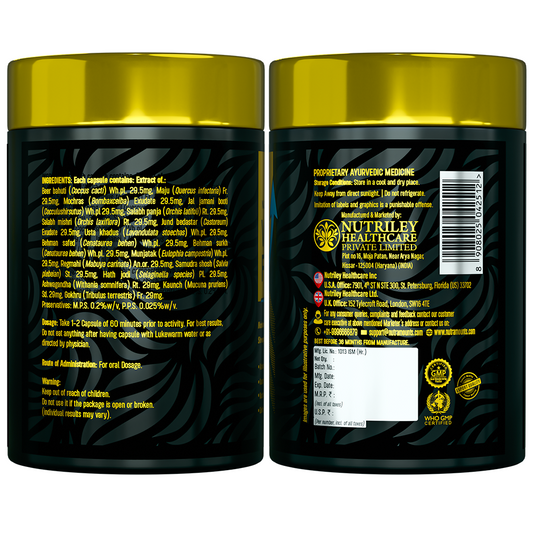
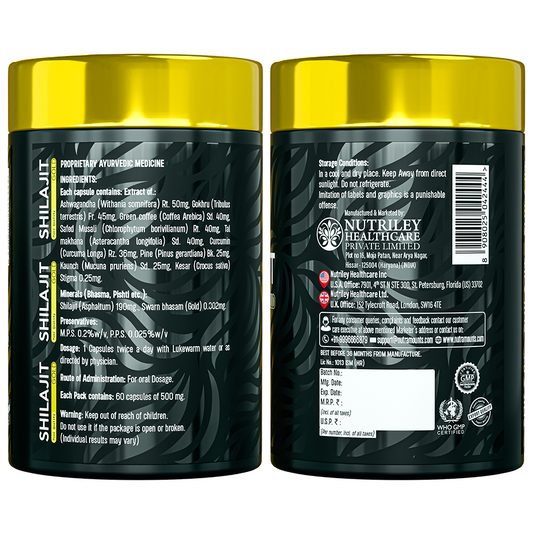
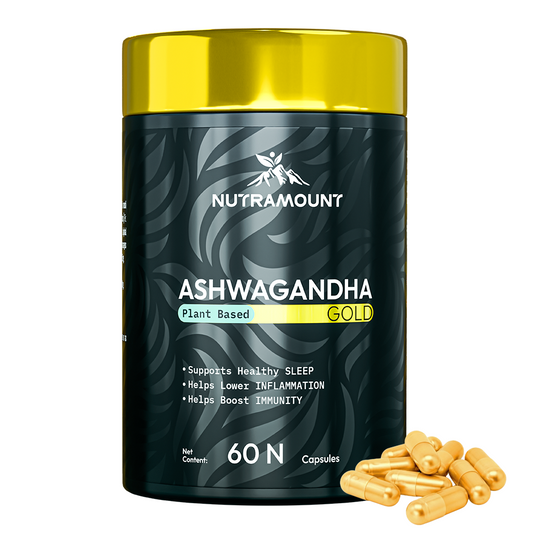
For people looking for Ayurvedic support for blood sugar management, the Nutramount Diabetic Care Combo offers a two-part approach to daily wellness.
The combo brings together Diabetic Care Capsules for internal Ayurvedic support and Diabetic Care Oil for external foot-care support.
Nutramount positions the combination around healthy blood sugar management, metabolic wellness, everyday energy, and diabetic foot care as part of a healthy lifestyle.
What Does the Nutramount Diabetic Care Combo Include?
Diabetic Care Capsules
The capsules are designed as an internal Ayurvedic wellness supplement to complement a healthy diet and lifestyle.
Diabetic Care Oil
The oil is designed for external foot care, making it suitable for incorporating into a regular foot-care routine.
Together, the products provide internal and external wellness support for people interested in Ayurvedic diabetes support and diabetic wellness.
Benefits of Nutramount Diabetic Care Combo
The product is positioned to support:
- Healthy blood sugar management
- Metabolic wellness
- Everyday energy and vitality
- A balanced lifestyle
- Regular diabetic foot-care routines
The combo can be considered as part of a broader wellness routine that includes healthy nutrition, physical activity, glucose monitoring, and medical guidance.
How to Include Nutramount Diabetic Care Combo in Your Wellness Routine
If you're using an Ayurvedic blood sugar support product, it should be incorporated alongside healthy lifestyle habits.
A balanced routine may include:
Morning
Start your day with a nutritious breakfast and follow your healthcare professional's recommended medication and monitoring routine.
Throughout the Day
Choose balanced meals, control carbohydrate portions, stay hydrated, and remain physically active.
After Meals
Consider light physical activity such as walking, if appropriate for you.
Evening
Prioritize a balanced dinner, adequate sleep, and stress management.
The Nutramount Diabetic Care Combo can be incorporated according to the current product label and recommended usage instructions.
If you take prescription diabetes medication, consult your healthcare professional before adding an herbal supplement.
Why Consider an Ayurvedic Blood Sugar Support Supplement?
People searching for natural blood sugar support often look for herbal ingredients and Ayurvedic wellness products that can complement their existing lifestyle.
An Ayurvedic supplement can be considered as one part of a broader approach that includes:
- Healthy food choices
- Regular physical activity
- Appropriate portion sizes
- Adequate sleep
- Stress management
- Regular blood glucose monitoring
- Professional medical guidance
No supplement should be considered a replacement for diabetes treatment.
What to Look for in a Blood Sugar Support Supplement
With many Ayurvedic diabetes supplements available, it is important to evaluate products carefully.
Transparent Ingredients
Look for products that clearly disclose their ingredients and provide understandable product information.
Clear Usage Instructions
Follow the manufacturer's recommended dosage and instructions.
Quality Manufacturing
Consider the manufacturer's quality standards, testing, sourcing, and manufacturing information.
Realistic Claims
Be cautious about products that promise to cure diabetes, permanently normalize blood sugar, replace medication, or provide instant results.
When Is High Blood Sugar After Meals a Concern?
An occasional higher reading does not necessarily provide a complete picture of your health.
However, if your blood sugar is repeatedly above your individualized target after meals, discuss your readings with your healthcare professional.
They may review:
- Your diet
- Medication
- Physical activity
- Blood glucose patterns
- A1C
- Other health factors
Do not change insulin or other diabetes medication doses on your own.
If you have very high blood glucose and feel unwell, or experience symptoms such as vomiting, difficulty breathing, confusion, or other serious symptoms, seek urgent medical care.
Blood Sugar After Meals: Key Takeaways
Managing blood sugar after meals is an important part of diabetes care.
Remember:
- Blood sugar naturally rises after eating.
- Carbohydrates generally have a significant effect on post-meal glucose.
- Many nonpregnant adults with diabetes use a target below 180 mg/dL 1–2 hours after the beginning of a meal.
- Individual blood sugar targets can differ.
- Balanced meals can support better glucose management.
- Portion control matters.
- Fiber and protein can influence how quickly glucose rises.
- Regular physical activity can support blood sugar management.
- A short walk after a meal can be a practical habit.
- Sleep, stress, hydration, illness, and medication can affect glucose.
- Ayurvedic products can be considered as complementary wellness support, not as replacements for prescribed treatment.
- Persistent high readings should be discussed with a healthcare professional.
Frequently Asked Questions About Blood Sugar After Meals
What should blood sugar be 2 hours after eating?
For many nonpregnant adults with diabetes, a commonly used target is below 180 mg/dL 1–2 hours after the beginning of a meal. Individual targets may differ.
Is blood sugar supposed to rise after eating?
Yes. Blood glucose normally rises after eating because carbohydrates are digested into glucose. The amount and duration of the increase vary between individuals and meals.
How can I lower blood sugar after meals naturally?
Healthy strategies include managing carbohydrate portions, choosing fiber-rich foods, building balanced meals, drinking water instead of sugary beverages, staying physically active, getting adequate sleep, and managing stress.
Does walking after meals help blood sugar?
Physical activity can help the body use glucose for energy. A short walk after a meal can be a practical way to add movement to your routine.
Why is my blood sugar high after eating but normal before meals?
Post-meal glucose can be affected by carbohydrate intake, portion size, physical activity, medication, stress, sleep, and insulin response. Repeated patterns should be discussed with your healthcare professional.
What foods help avoid blood sugar spikes?
Meals containing non-starchy vegetables, appropriate portions of carbohydrates, protein, and fiber can support balanced blood sugar management.
Can stress increase blood sugar?
Yes, stress can affect blood glucose levels and may make blood sugar management more difficult for some people.
What is Nutramount Diabetic Care Combo?
Nutramount Diabetic Care Combo combines Diabetic Care Capsules and Diabetic Care Oil. The product is positioned as an Ayurvedic wellness solution supporting blood sugar management and metabolic wellness, while the oil is intended for external foot-care support.
Can I take Nutramount Diabetic Care Combo with diabetes medicine?
If you take prescription diabetes medication, consult your doctor or qualified healthcare professional before starting an herbal or Ayurvedic supplement. Do not replace or alter prescribed medication without medical guidance.
Conclusion
Understanding blood sugar after meals can help you recognize how food, physical activity, sleep, stress, medication, and lifestyle habits affect glucose levels.
For people with diabetes, regularly monitoring blood glucose according to their healthcare team's recommendations can help identify patterns and guide treatment decisions.
A balanced diet, appropriate portions, regular physical activity, adequate sleep, hydration, and stress management all play an important role in healthy blood sugar management.
For those interested in complementary Ayurvedic wellness support, the Nutramount Diabetic Care Combo combines internal Diabetic Care Capsules with an external Diabetic Care Oil designed for foot-care support.
You can explore the product here:
Nutramount Diabetic Care Combo:
https://nutramounts.com/products/nutramount-diabetic-care-combo
Tags:
Related articles

-
Sep 26 2026